
Double Dragon, a.k.a., Double Dragon: The Movie (1994)
Double Dragon, a.k.a., Double Dragon: The Movie (1994)

On his second single, Lucky Tubb brings in Reverend Horton Heat bassist Jimbo Wallace to co-write and play a pair of songs. A-side “Cattlemen’s Stroll” plays with some retro Western dance-hall material, with a mellow melody eased along on brassy guitar licks. The B-side, “There’s Not A Day”, shifts to a more modern rockabilly strut for a quick ramble, returning to the throw-back flavor for its finish. Well-played and earnest in its homaging, but nothing to make it really stand out too much besides the pedigrees of the people involved.
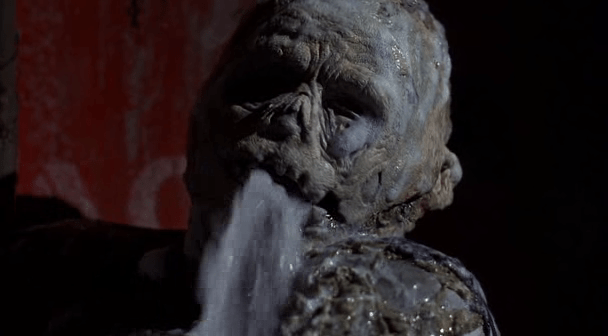
Friday the 13th Part VIII: Jason Takes Manhattan (1989)

Jason X, a.k.a., Jason X: Friday the 13th, a.k.a., Jason 10 (2001)


Death Bed: The Bed That Eats (1977)

Buried Alive (1990)
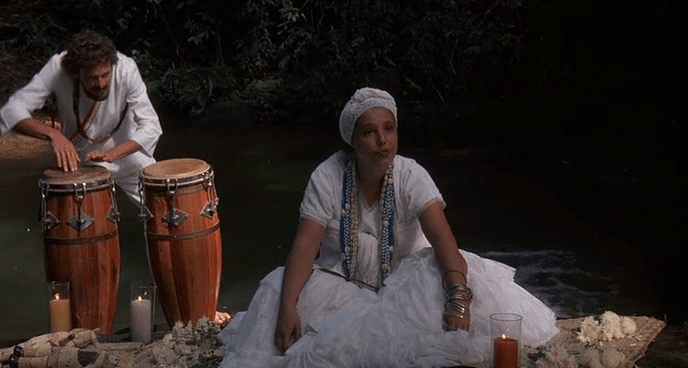
Blame It on Rio (1984)


Dr. Giggles, a.k.a., Dr. Rictus, a.k.a., Doctor Giggles (1992)

Double Dragon, a.k.a., Double Dragon: The Movie (1994)

On their third album since debuting in 1990 with It’s a Compton Thang, the MC Eiht-fronted group brings over a dozen tracks of thoroughly confident West Coast rap to bear, with plentiful jazz and funk breaks sampled for back-beats and hooks while Eiht’s verses detail gang-land confrontations and troubles. Keyboards, sax, and harmonica from unofficial member William Zimmerman lend things some extra organic texturing, and while Eiht’s delivery tends to be fairly laid-back, his anger and contempt for competitors come through with clarity.
Though the vocals maintain a steady presence and dominance, the beats are machined so well as to give the lyrics strong competition for attention. Loops, scratches, and vocal sample interjections come thickly-knitted together without getting cluttered, with Zimmerman’s additions smoothing over the seams and enabling some more involved progressions. Steady heat and insistent pressure help keep the album moving at speed, with a lengthy thanks track for cool-down at the end, and the balance and control shown throughout the LP speaks well to the group’s ability to incorporate multiple producers while retaining their own clear style.
Here’s the cover art used for the longbox version.

 Scrambled Brains